
Industry news
How to avoid specimen discoloration when making wax leaf specimens
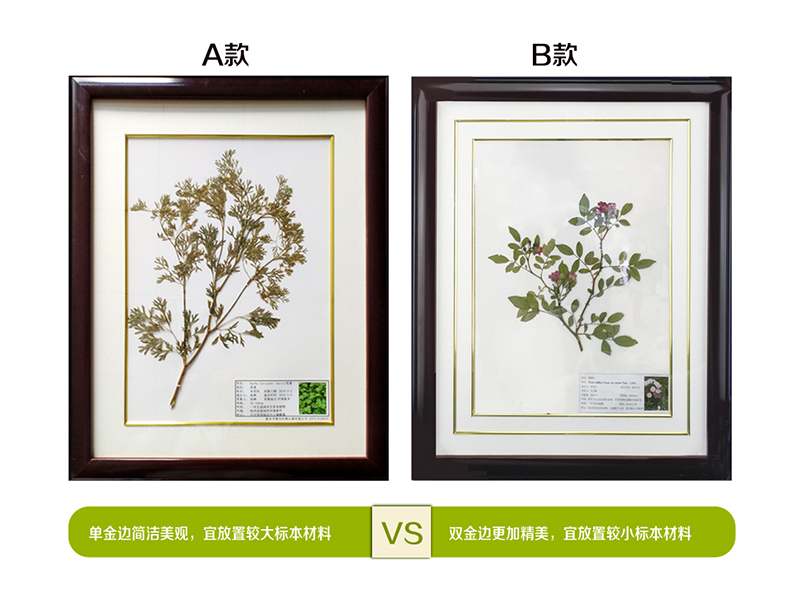
The discoloration of wax leaf specimens is mainly caused by light, humidity, oxidation of plant components, and improper handling. The core avoidance strategy is to control environmental factors, optimize the production process, and do a good job in post production protection. The specific methods are as follows.
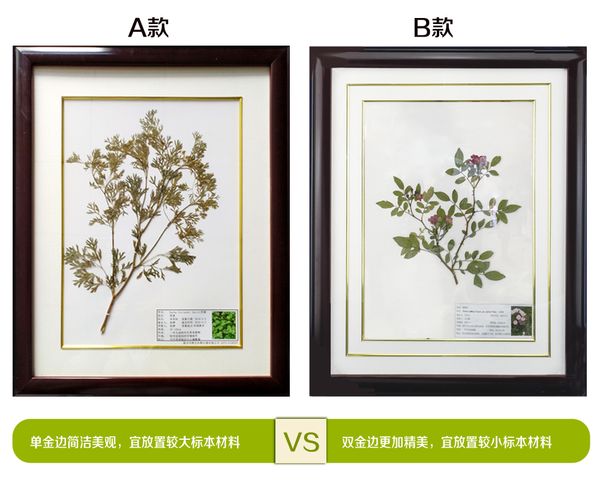
1、 Collection and preprocessing stage
Choose an appropriate collection time
Avoid collecting under high light at noon (when plant cells have vigorous metabolism and are prone to rapid dehydration leading to pigment degradation), and prioritize collecting in the early morning or evening; After collection, immediately place it in a sealed fresh-keeping bag (temporary storage) to avoid prolonged exposure of plants to air and reduce the oxidation of pigments such as chlorophyll and anthocyanins.
Targeted treatment of special plants
Plants containing polyphenols and tannins (such as tea leaves and acorn leaves): After collection, quickly boil them in boiling water for 10-20 seconds (to kill them), destroy the oxidase activity, and then suppress them;
Succulent/succulent plants (such as Sedum and Portulaca): First, remove excess fleshy tissue, use absorbent paper to absorb surface moisture, and then press to avoid water retention and browning;
Flower specimens: Gently separate petals and avoid overlapping when spreading to reduce discoloration caused by high local humidity.
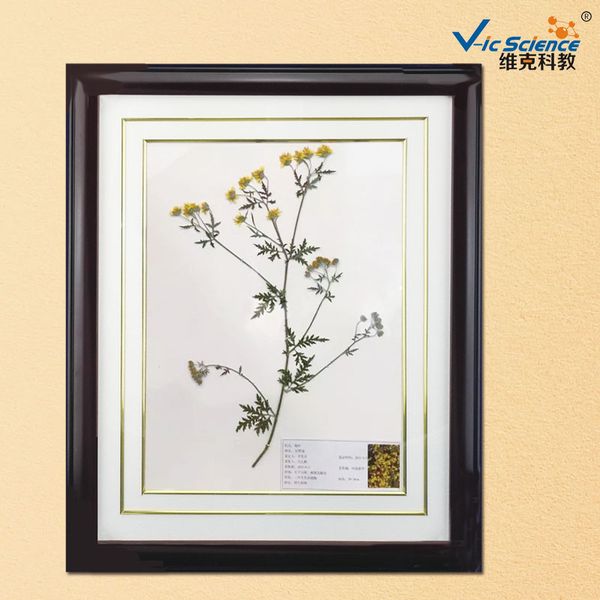
2、 Compression drying stage
Increase the frequency of replacing absorbent paper
Change the absorbent paper 2-3 times a day in a humid environment (at least once in a dry environment) to keep it dry and avoid mold growth or pigment hydrolysis of the specimen due to moisture retention; When changing paper, handle with care and do not rub the specimen to prevent cell damage and accelerated oxidation.
Control and suppress the environment
The suppression area should be ventilated, dry, and away from light (can be placed in a cool indoor corner), and avoid direct sunlight (ultraviolet rays can damage chlorophyll and cause yellowing of leaves); If the environment is humid, a desiccant (silica gel) can be placed next to the specimen holder to accelerate water evaporation.
Moderate pressure
The pressure of the specimen clamp is moderate (it is advisable to fix the specimen flat without squeezing the organs). If it is too tight, it will cause cell rupture and pigment exudation; If it is too loose, the specimen will not have sufficient contact with the absorbent paper, and uneven drying will cause local discoloration.
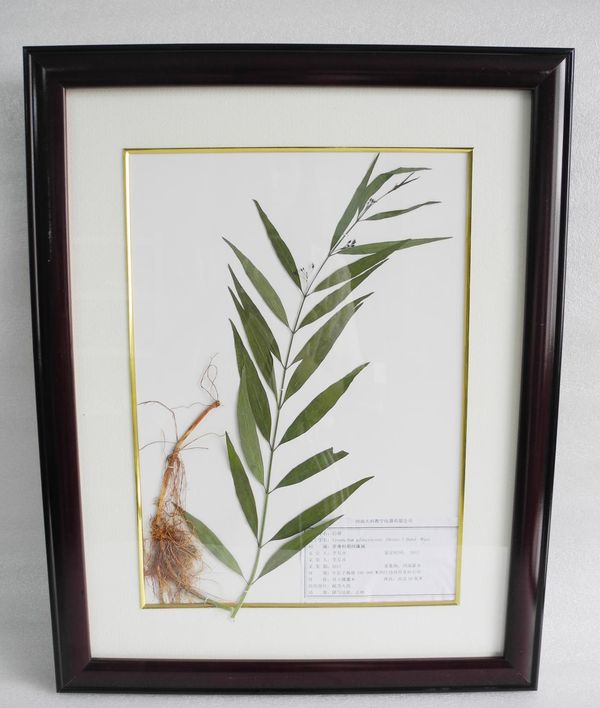
3、 Disinfection and Binding Stage
Choose a gentle disinfection method
Prioritize low-temperature disinfection (freezing at -20 ℃ for 48 hours) to avoid damage to pigments caused by chemical fumigation (such as bromomethane); Ordinary teaching specimens can be exposed to short-term sunlight (1-2 hours), but it is necessary to avoid fading caused by prolonged exposure.
Avoid using easily dyed materials for binding materials
Use neutral glue (such as white latex) or pure cotton needle and thread binding, avoid using acidic glue or colored string (acidic substances can corrode specimens, colored materials may fade and contaminate specimens); Select acid free cardboard for the table paper (to prevent acidic substances from seeping out after the paper ages, causing the specimen to turn yellow).
TOP