Product recommendations · hot products
Rich experience and strong strength

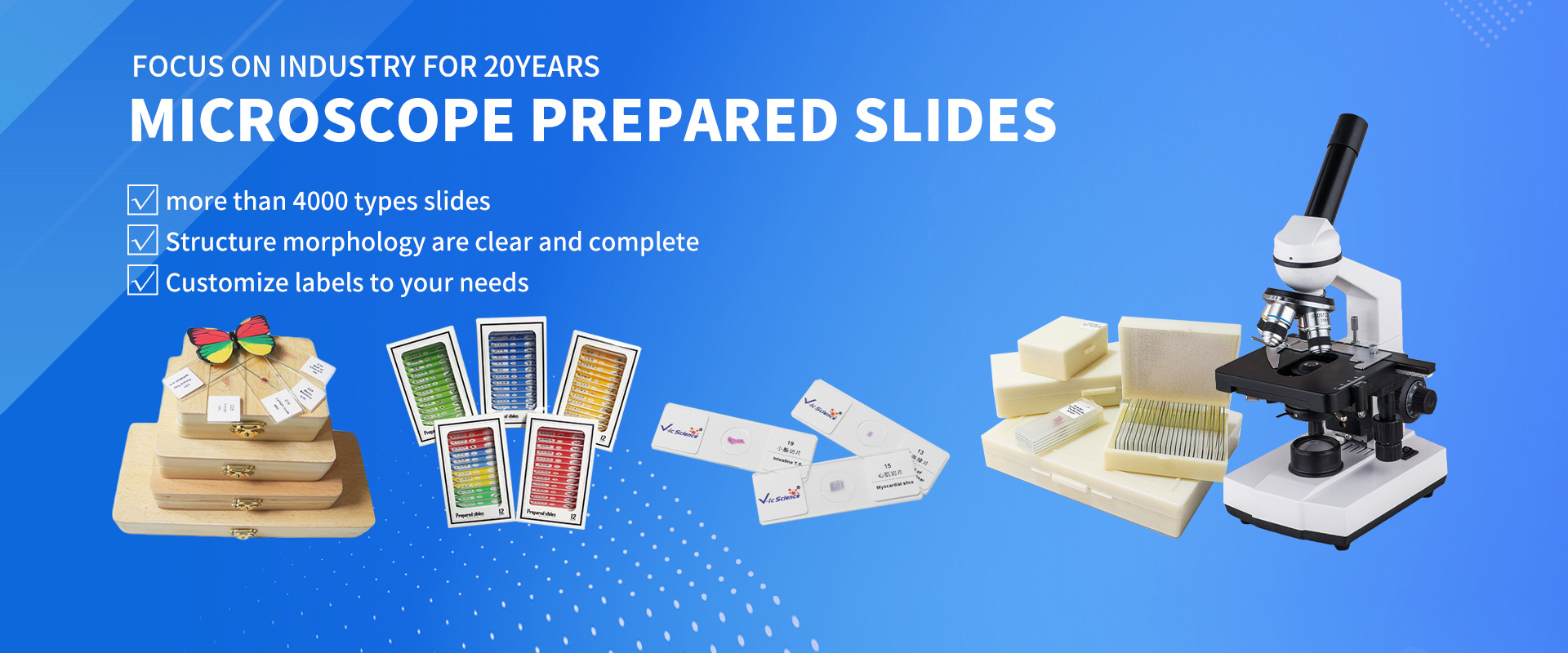
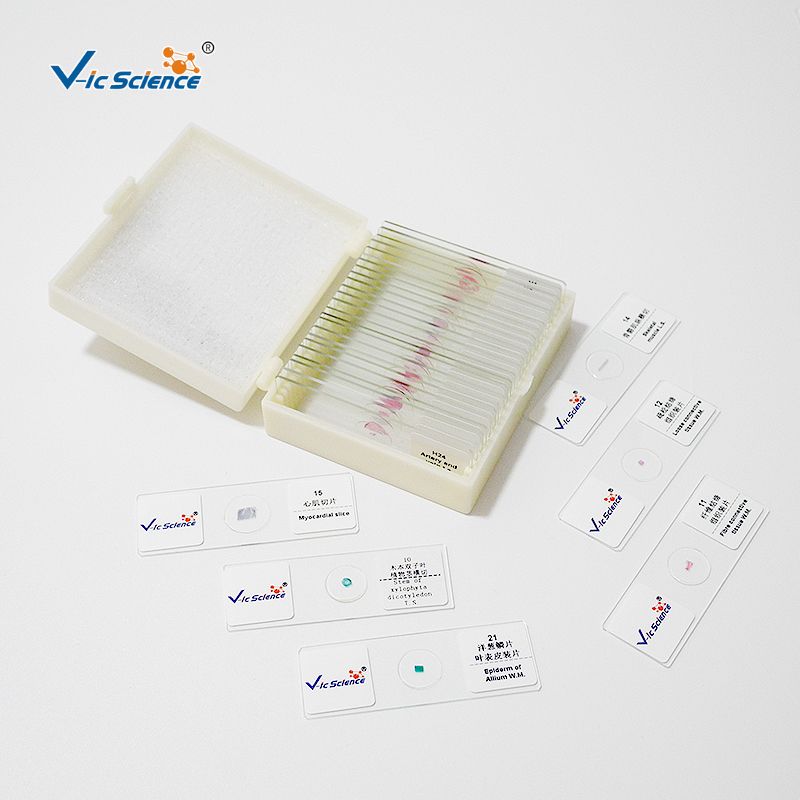
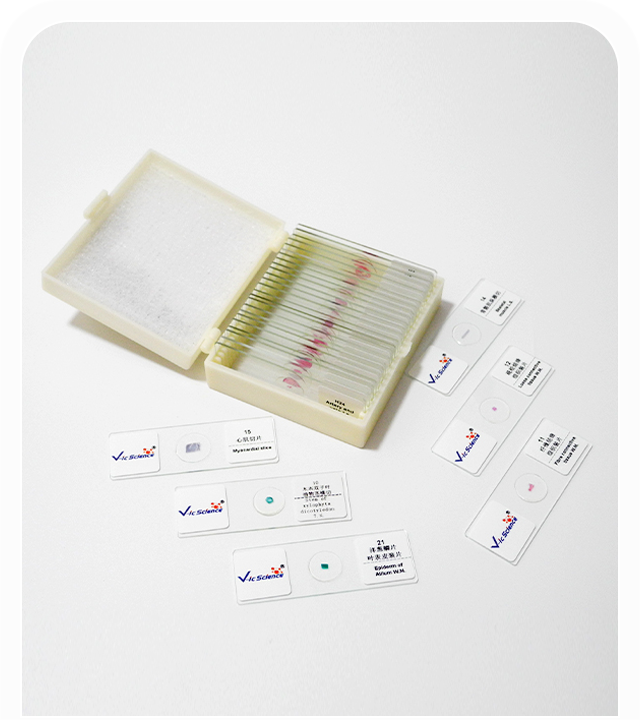
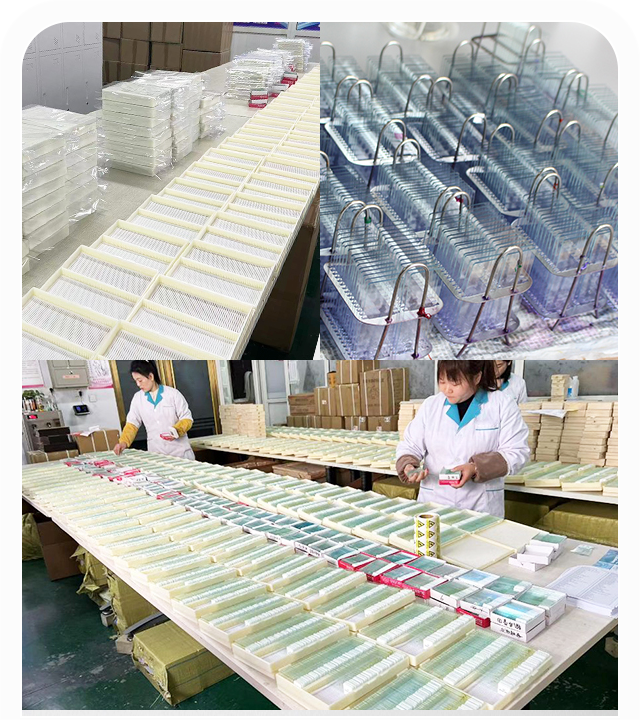
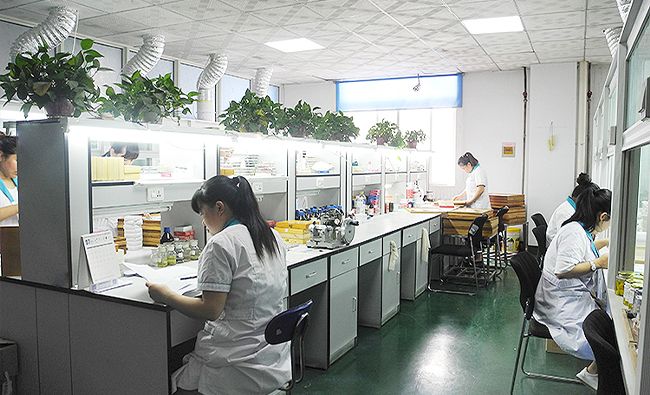
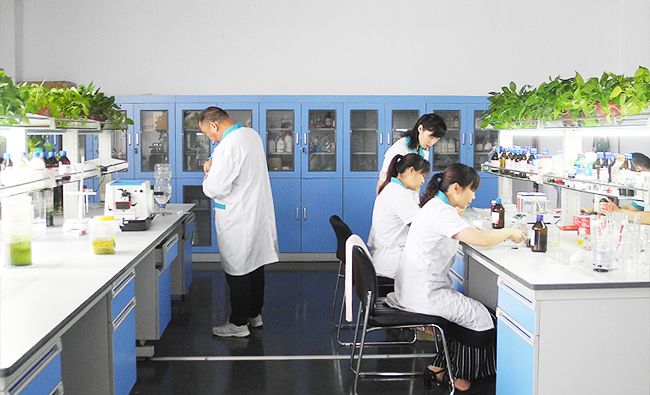
100pcs histology microscope prepared slides

Source supplier with guaranteed quality

100% factory

More than 4000 types

Well-distributed coloration

Clearly cell tissue

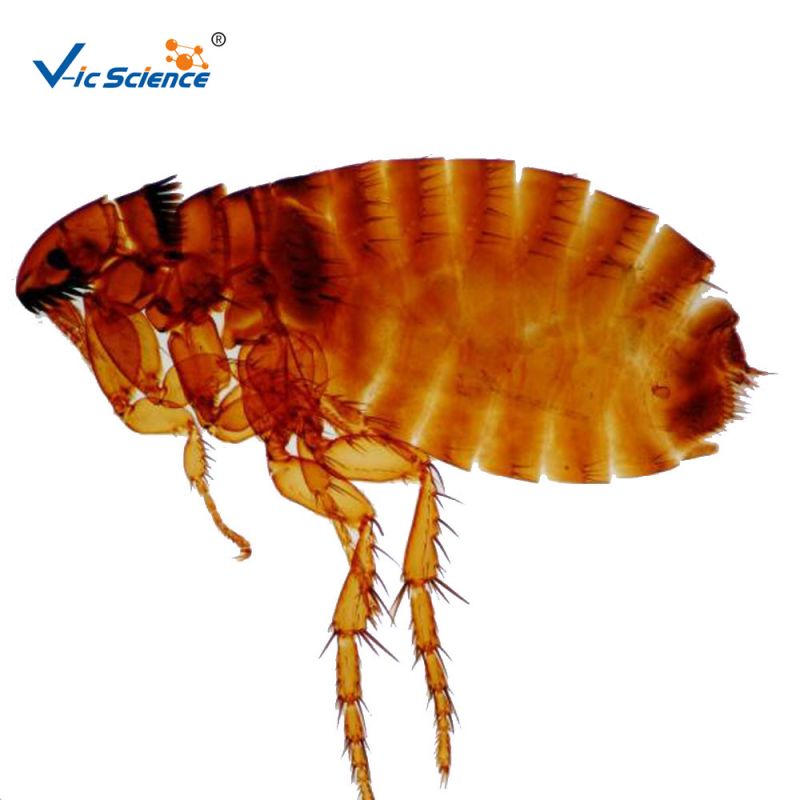
Medical parasitology prepared slides set

Source supplier with guaranteed quality

Professional production

OEM & ODM

High-quality glass slides

Structure clear

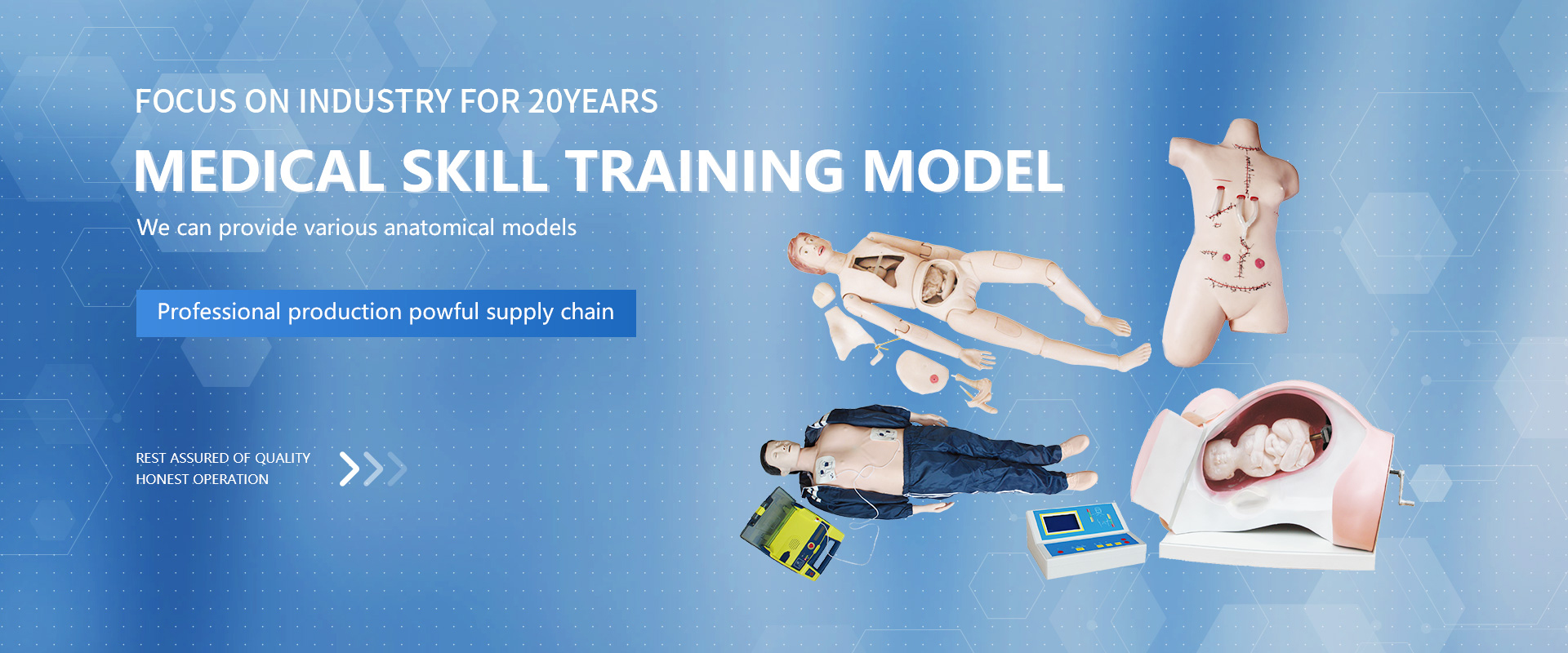
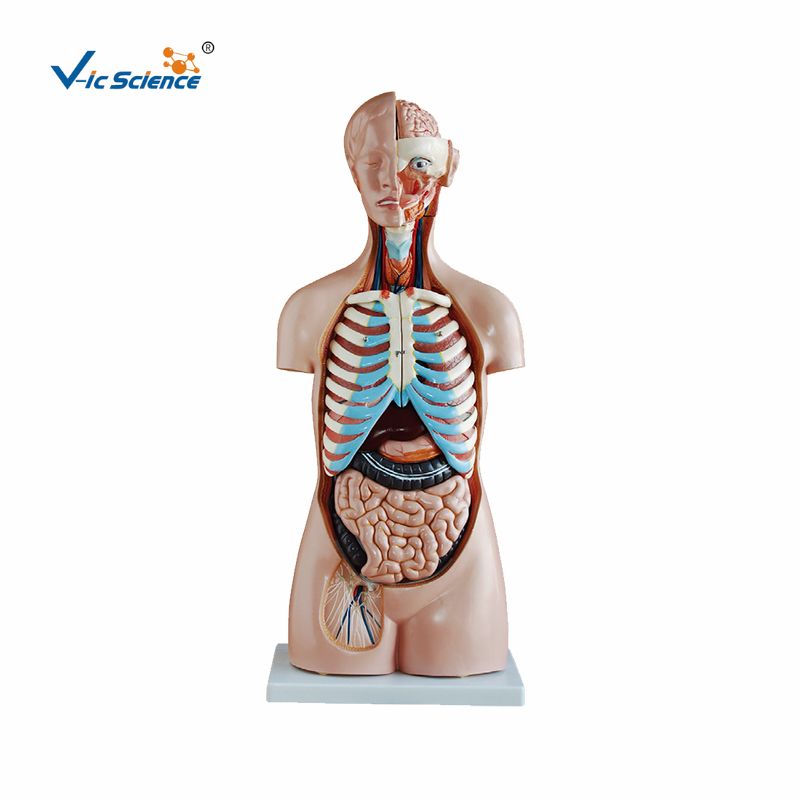
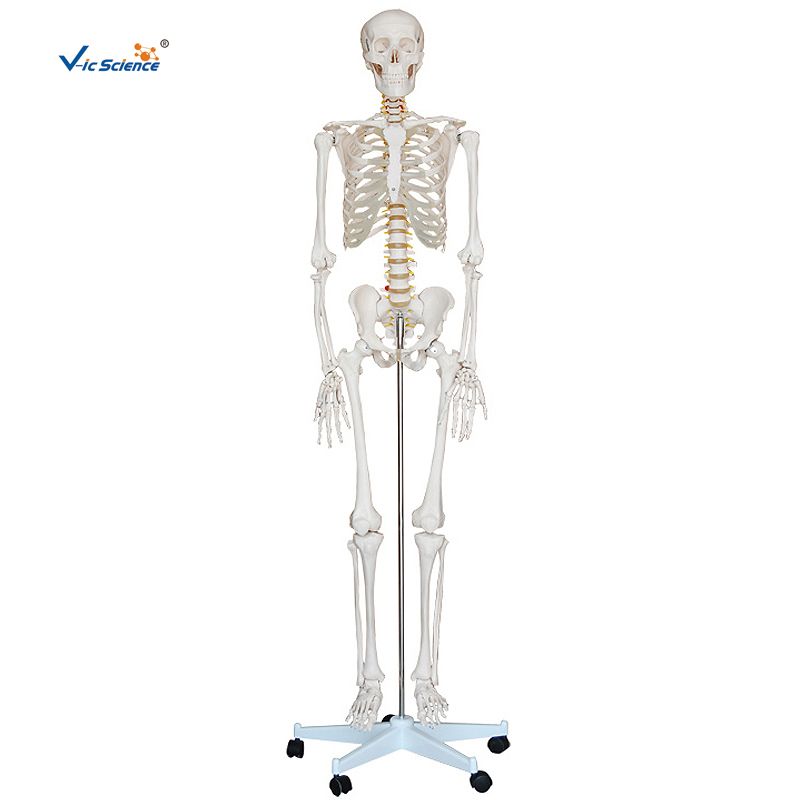
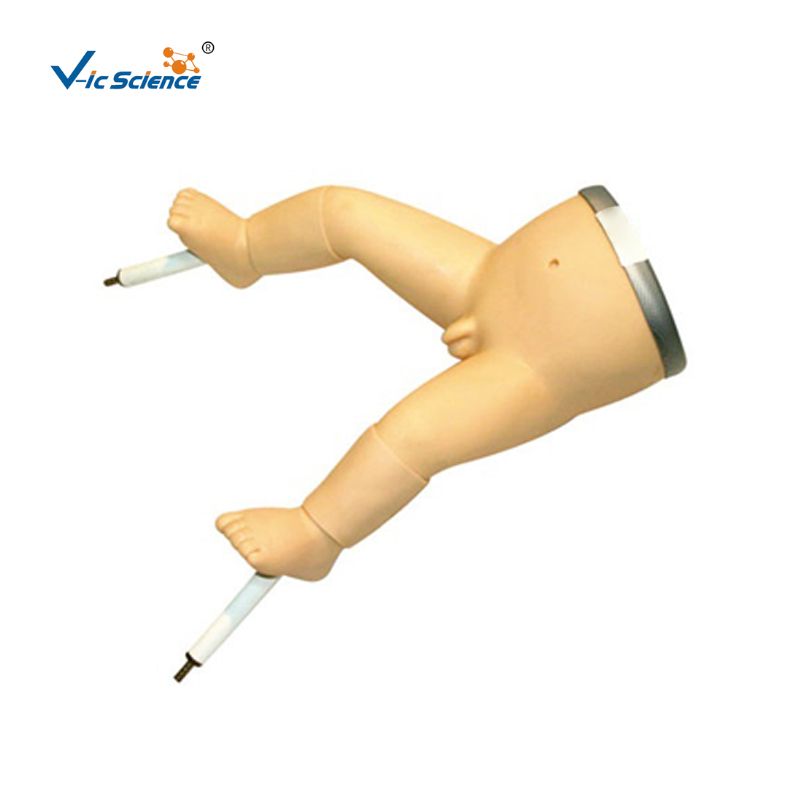
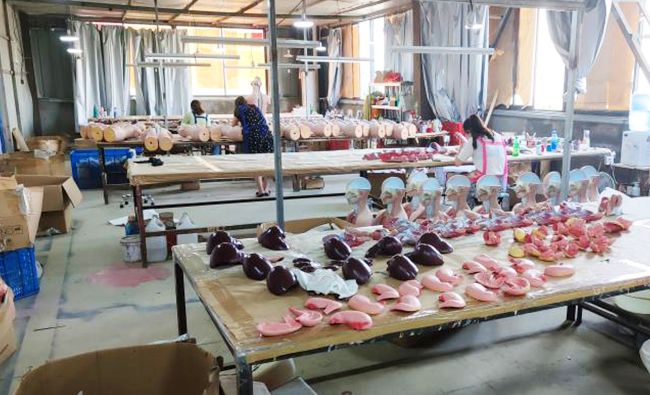
85CM Sexless Torso 20 Parts Model

Source supplier with guaranteed quality

Non toxic safe materials

High product stability

Durable and sturdy

Exquisite details

Product Center ·Be an honest merchant
Rich experience and strong strength
Microscope Prepared Slides
Medical Teaching Models
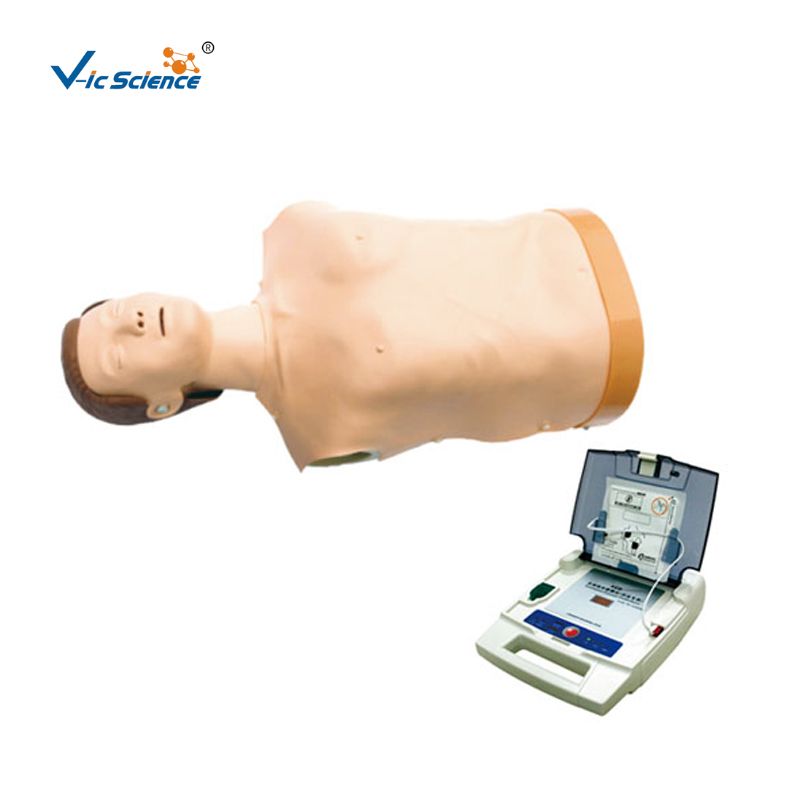
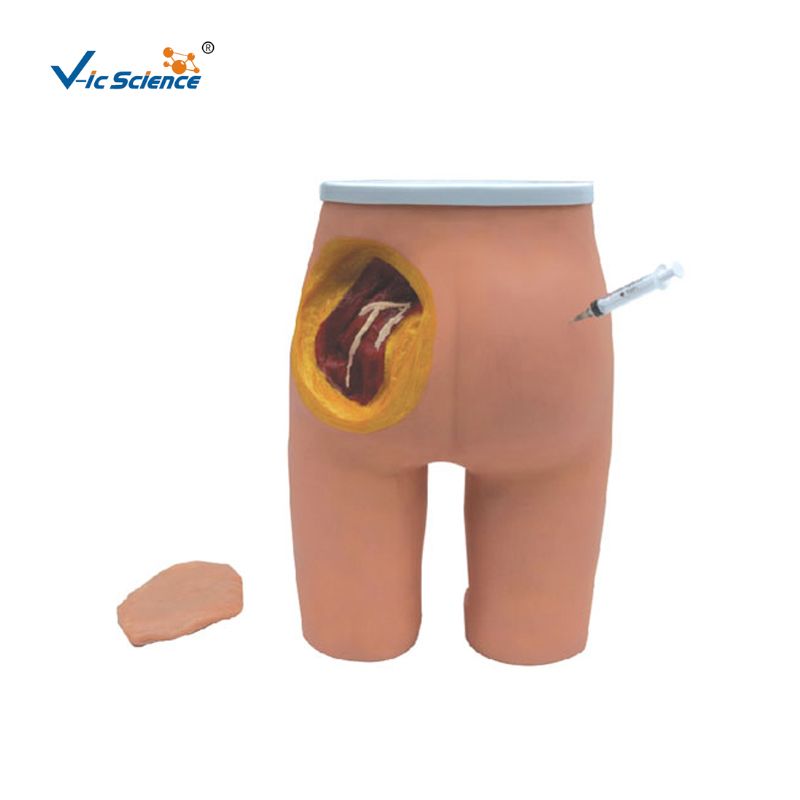
Nursing Training Model
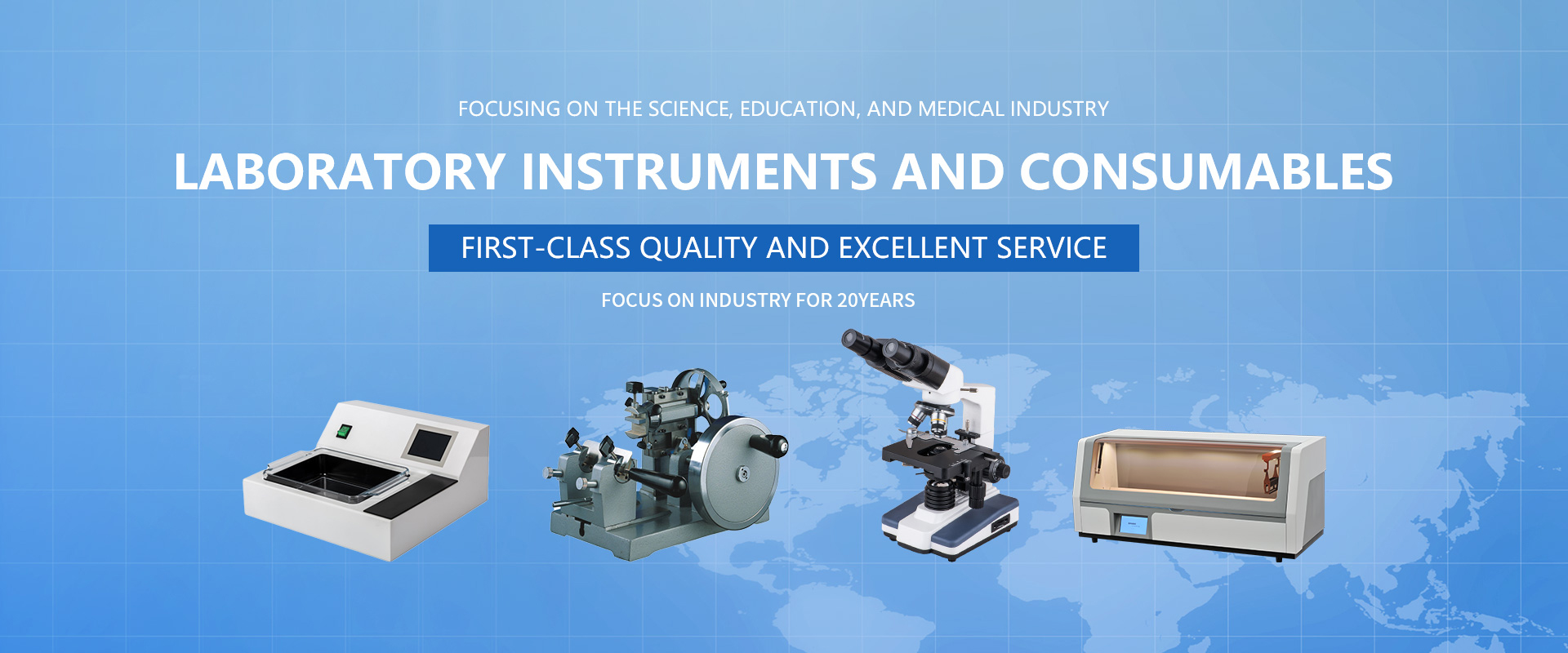
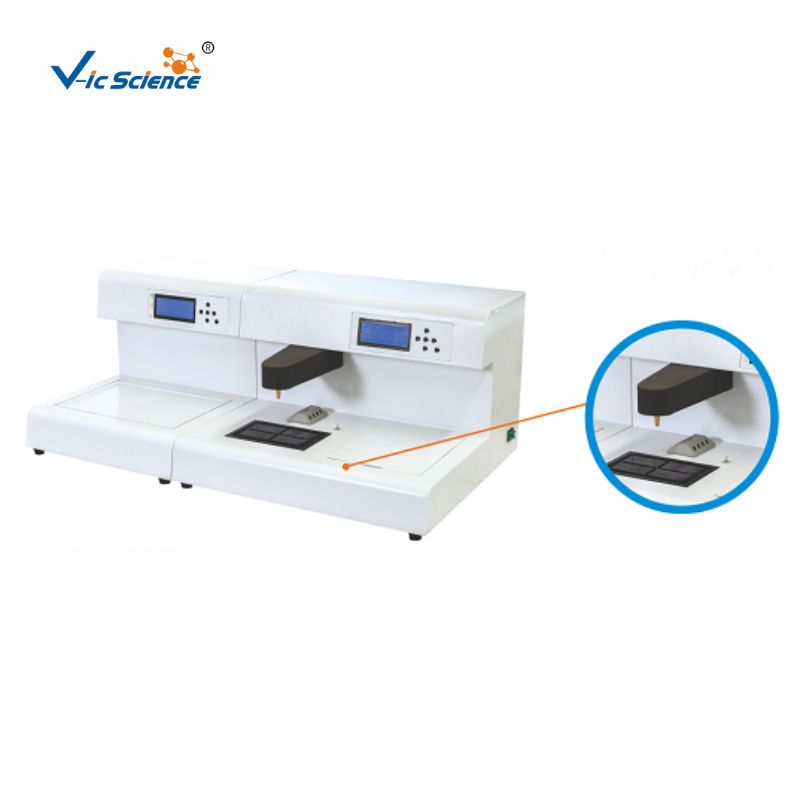
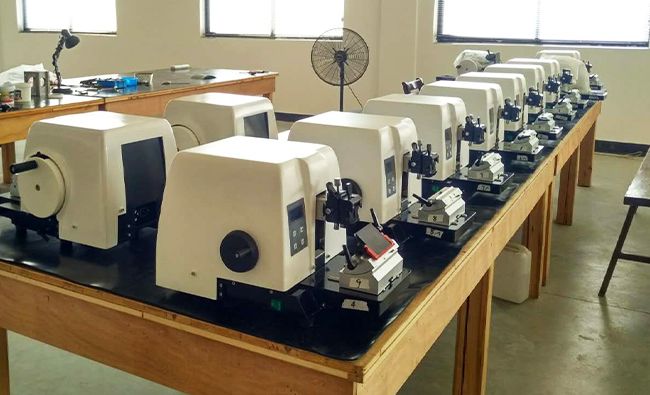
Histological Microtome
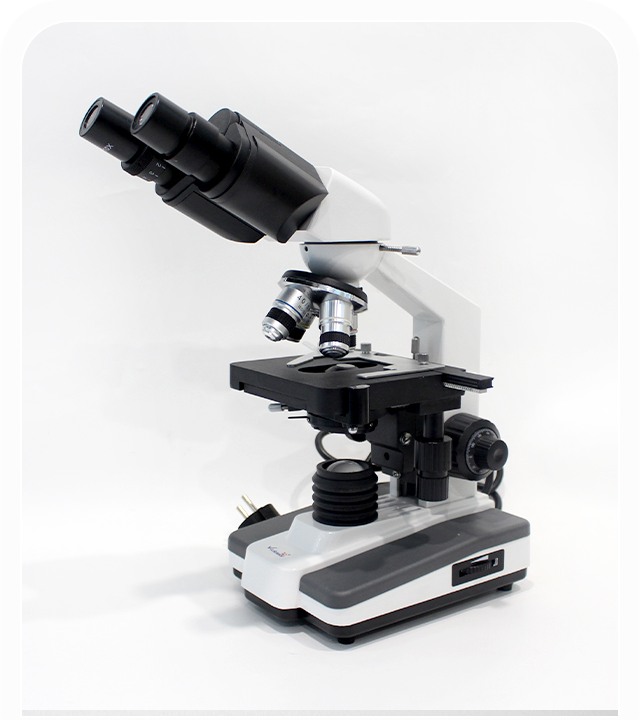
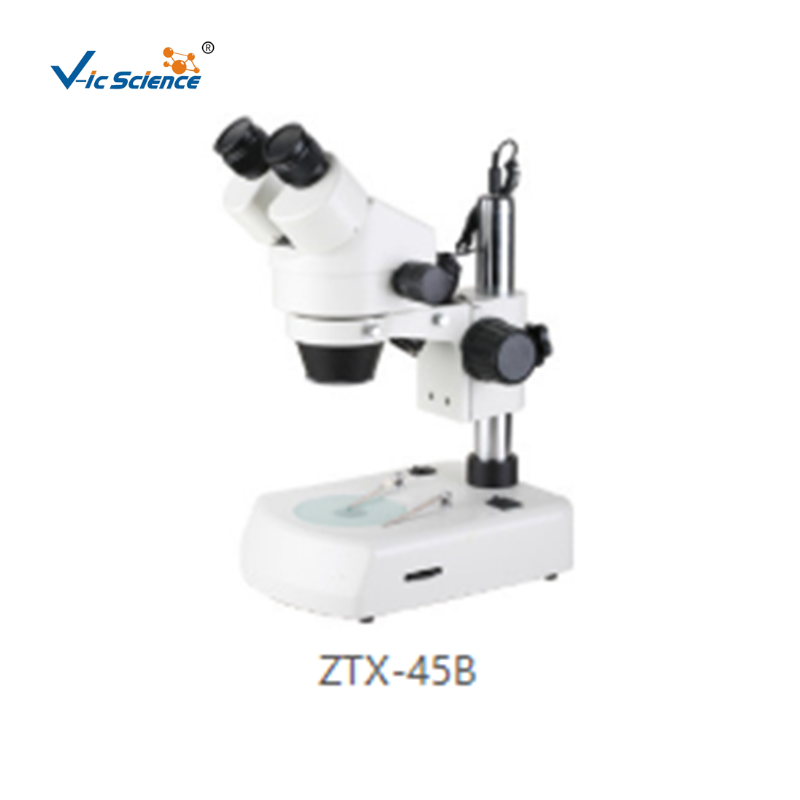
Microscope
Laboratory Consumables

Four Reasons to Choose Us

One stop procurement is more reassuring!
01、Quality certification and after-sales service

Quality Certification · Quality After Sales

We provide after-sales telephone technical support for you 7x24 hours We provide comprehensive services based on product requirements, performance, and after-sales service.

02、Strict standards and layer by layer testing

Strict production standards and reliable quality

Adopting a strict quality management system as the standard, continuously optimizing management. Products must go through strict control from material selection, processing, output to quality inspection!

03、Continuous Innovation · Service Market

Adhere to innovative development

Adhere to a customer-oriented product development and innovation philosophy. With years of industry experience, we have served over 2000 clients in total!

04、 Powerful manufacturer · spot direct sales

Source factory, one-stop service provider

Our products are directly sold by manufacturers with guaranteed quality The product has sufficient supply and direct sales in stock, supporting customized production on demand!
Tel:+86 18337360216
direct dealkeep a large stock of goods
Rich experience and strong strength

About us

Be an honest merchant

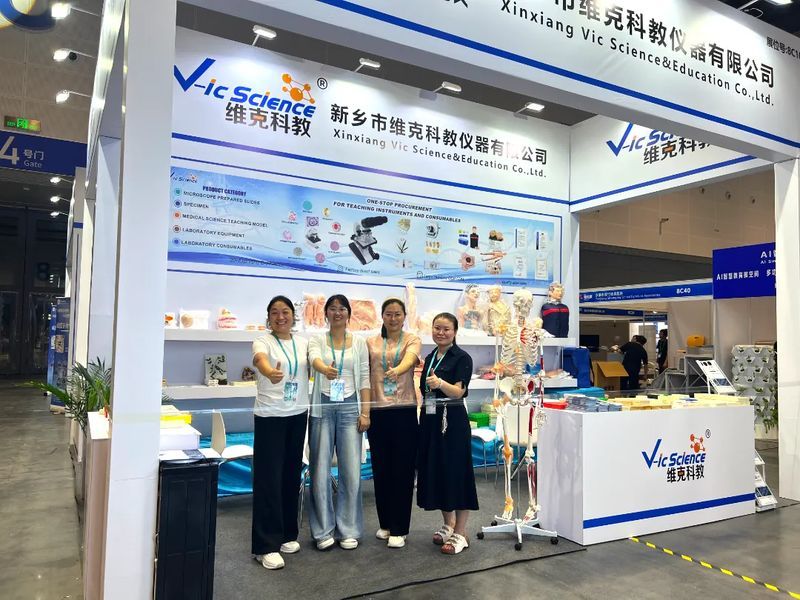
Xinxiang Vic Science&Education Co.,Ltd.

Founded in 2014, Xinxiang Vic Science&Education Co.,Ltd. is located in Hi-Tech Zone, Xinxiang city near to the Yellow River and Zhengzhou Airport. Specializing in production of microscope prepared......
Learn morethe news
Rich experience and strong strength

Xinxiang Vic Science&Education Co.,Ltd. Invites You to the 93rd CMEF | Gather in Shanghai to Explore the New Future of Medical Science & Education

DearPartnersandColleaguesintheIndustry,The93rdChinaInternationalMedicalEquipmentFair(CMEF),aglobalbenchmarkforthemedicalandhealthindustry,isabouttograndlyopeninShanghai.Asadedicatedexplorerdeeplyengagedinbiologicalslidesandspecimens,WeikeScience&Educationisfullyprepared.Wesincerelyinviteyoutovisitourboothtojointlyexaminethefinescalesthatdefinemedicalcognitionandexploremorepossibilitiesforteachingandpracticaltraining.HighlightsofVicScience&EducationProfessionalMatrix,Brand-NewDebutBrand-newupgradedbiologicalslidesandspecimenswillbegrandlypresented,coveringhistologytopathology,andadheringtothequalityofprecisionandauthenticity.SolutionstoEmpowerTeachingWecreateone-stopteachingandpracticaltrainingsolutionsforslidesandspecimens,integratingphysicalteachingaids,digitalresourcesandcurriculumdesigntoenhancethemedicalteachingexperience.In-depthDialoguetoExploretheFutureTogetherTakingtheboothasacommunicationplatform,wewilljointlyexploreindustry-university-researchcooperation,customizeddevelopmentandmedicaleducationtrends,andworktogethertoexpandwin-winbusinessopportunities.ExhibitionInformationExhibitionTime:April9,2026—April12,2026ExhibitionVenue:NationalExhibitionandConventionCenter(Shanghai)BoothNumber:8.2J42WelookforwardtogatheringwithyouinShanghaitodiscussindustrydevelopmentandexplorecooperationopportunitiestogether!  
+ 2026-03-30

What is the difference between a biological microscope and a stereo microscope?

The core differences between biological microscopes and stereomicroscopes lie in their observation objects, imaging effects, core advantages, and usage scenarios. The specific distinctions are as follows, tailored to the characteristics of vic science and education products, making them clear and easy to understand. Different observation objects:Biological microscope: Primarily used for observing transparent/translucent thin specimens, such as cellular structures, tissue sections, and other microscopic objects that require light transmission for observation.Stereo microscope: Primarily used for observing three-dimensional, opaque/thick specimens, such as plant specimens, insect morphology, microbial colonies, and other three-dimensional objects that do not require sectioning.Different imaging effects:Biological microscope: Equipped with an achromatic objective lens, it boasts high resolution and produces flat, high-definition images, clearly revealing the fine structures of samples, such as cellular patterns and tissue details. Stereo microscope: It has the advantage of a wide field of view, producing a three-dimensional and intuitive image that can restore the three-dimensional morphology of the sample and highlight the three-dimensional layering of the object.Different core advantages:Biological microscope: Its core advantages lie in high-definition resolution, accurate color reproduction, and robust optical performance, meeting the need for precise observation of microscopic details.Stereo microscope: Its core advantages lie in its wide field of view, long working distance, convenient operation, and the elimination of complex sample processing (such as slicing), making it easy to get started. Different usage scenarios:Biological microscope: suitable for cell observation and histology experiments in middle school/high school biology classrooms, as well as microstructure research in professional scientific research.Stereo microscope: suitable for observing three-dimensional samples and identifying specimens in basic teaching, without requiring complex sample preparation. It is ideal for classroom demonstrations and independent student operations.
+ 2026-03-27

23

2026-01

Scientific Value of Animal Skeletal Specimens

The value of animal skeletal specimens goes far beyond their ornamental function in science popularization exhibitions. They play an irreplaceable role in scientific research, education, archaeology, forensic medicine and other fields. In evolutionary biology research, skeletal specimens are the **key evidence** for exploring species evolution. There are differences in the skeletal structures of different species, and these differences record the evolutionary trajectories of species adapting to the environment. For example, by comparing the skeletal specimens of modern birds with those of ancient dinosaurs, scientists have found many similarities between the wing bones of birds and the forelimb bones of dinosaurs, which provides strong support for the theory that **birds originated from dinosaurs**. In addition, by analyzing the fossil specimens of animal bones from different geological ages, scientists can also reconstruct the ancient ecological environment and understand the rise and fall of species. In the field of education, skeletal specimens serve as intuitive **anatomical teaching aids**. For students majoring in biology and medicine, observing animal skeletal specimens enables them to quickly grasp knowledge such as animal skeletal structure, joint connection, and muscle attachment points, which is more intuitive and easier to understand than simply reading textbooks. For instance, in veterinary education, skeletal specimens of common animals like dogs and cats can help students familiarize themselves with animal skeletal anatomical structures, laying a solid foundation for subsequent clinical diagnosis and surgery. Skeletal specimens also play an important role in archaeology and forensic medicine. By studying the skeletal specimens of ancient animals, archaeologists can understand the production and living methods of human beings at that time. For example, analyzing the bones of domestic animals can help judge the level of agricultural development in that period. Nowadays, with the development of technology, the production and application of animal skeletal specimens are constantly innovating. For example, 3D scanning technology can accurately replicate precious skeletal specimens, which not only facilitates resource sharing among researchers but also avoids damage to the original specimens. In virtual museums, digital skeletal specimens allow audiences to observe skeletal structures 360 degrees through interactive operations, enhancing the science popularization experience. A single animal skeletal specimen carries the history of life, embodies the craftsmanship of its maker, and unlocks the mysteries of nature. 

30

2025-12

How to avoid specimen discoloration when making wax leaf specimens

The discoloration of wax leaf specimens is mainly caused by light, humidity, oxidation of plant components, and improper handling. The core avoidance strategy is to control environmental factors, optimize the production process, and do a good job in post production protection. The specific methods are as follows. 1、 Collection and preprocessing stageChoose an appropriate collection timeAvoid collecting under high light at noon (when plant cells have vigorous metabolism and are prone to rapid dehydration leading to pigment degradation), and prioritize collecting in the early morning or evening; After collection, immediately place it in a sealed fresh-keeping bag (temporary storage) to avoid prolonged exposure of plants to air and reduce the oxidation of pigments such as chlorophyll and anthocyanins.Targeted treatment of special plantsPlants containing polyphenols and tannins (such as tea leaves and acorn leaves): After collection, quickly boil them in boiling water for 10-20 seconds (to kill them), destroy the oxidase activity, and then suppress them;Succulent/succulent plants (such as Sedum and Portulaca): First, remove excess fleshy tissue, use absorbent paper to absorb surface moisture, and then press to avoid water retention and browning;Flower specimens: Gently separate petals and avoid overlapping when spreading to reduce discoloration caused by high local humidity. 2、 Compression drying stageIncrease the frequency of replacing absorbent paperChange the absorbent paper 2-3 times a day in a humid environment (at least once in a dry environment) to keep it dry and avoid mold growth or pigment hydrolysis of the specimen due to moisture retention; When changing paper, handle with care and do not rub the specimen to prevent cell damage and accelerated oxidation.Control and suppress the environmentThe suppression area should be ventilated, dry, and away from light (can be placed in a cool indoor corner), and avoid direct sunlight (ultraviolet rays can damage chlorophyll and cause yellowing of leaves); If the environment is humid, a desiccant (silica gel) can be placed next to the specimen holder to accelerate water evaporation.Moderate pressureThe pressure of the specimen clamp is moderate (it is advisable to fix the specimen flat without squeezing the organs). If it is too tight, it will cause cell rupture and pigment exudation; If it is too loose, the specimen will not have sufficient contact with the absorbent paper, and uneven drying will cause local discoloration. 3、 Disinfection and Binding StageChoose a gentle disinfection methodPrioritize low-temperature disinfection (freezing at -20 ℃ for 48 hours) to avoid damage to pigments caused by chemical fumigation (such as bromomethane); Ordinary teaching specimens can be exposed to short-term sunlight (1-2 hours), but it is necessary to avoid fading caused by prolonged exposure.Avoid using easily dyed materials for binding materialsUse neutral glue (such as white latex) or pure cotton needle and thread binding, avoid using acidic glue or colored string (acidic substances can corrode specimens, colored materials may fade and contaminate specimens); Select acid free cardboard for the table paper (to prevent acidic substances from seeping out after the paper ages, causing the specimen to turn yellow).

12

2025-11

Passionate Autumn: Elite Competition Awards Ceremony

The labor of September lays the groundwork for harvest, while the sprint of October writes a new chapter of perseverance. At this pivotal stage of "Golden September and Silver October," laden with anticipation and breakthroughs, we gather as scheduled to crown the sweat of this time with a ceremony of reverence, applauding every steadfast effort.Looking back on the past two months, the entire team was immersed in a fervent atmosphere of "crash efforts." Some rushed to work at dawn, tackling work challenges with meticulousness and rigor; others refined proposals under the late-night lights, breaking through business bottlenecks with innovation and perseverance. Meanwhile, some proactively stepped out of their comfort zones, building bridges of communication through collaboration, enabling the team's collective strength to converge into a powerful synergy.They may come from different positions and have diverse responsibilities, but all demonstrate the meaning of "dedication" and "excellence" with the same passion and commitment. The moment applause breaks out is not only a recognition of past achievements but also a harbinger of future endeavors—this honor belongs not only to the awardees but to every one of us who toils silently in our respective roles. For we understand that the growth of a team is never the result of a lone effort, but rather the crystallization of countless endeavors supporting and uplifting each other.Let us take this award ceremony as an opportunity to transform the honors we have received into motivation for moving forward, integrate the lessons learned into our daily work, and carry this glory and passion with us. In the days to come, we will continue to work side by side, meet new challenges with even greater enthusiasm, and take more solid actions to write an even more brilliant chapter!
HOME TEL TOP