
Company News
What is the difference between a biological microscope and a stereo microscope?
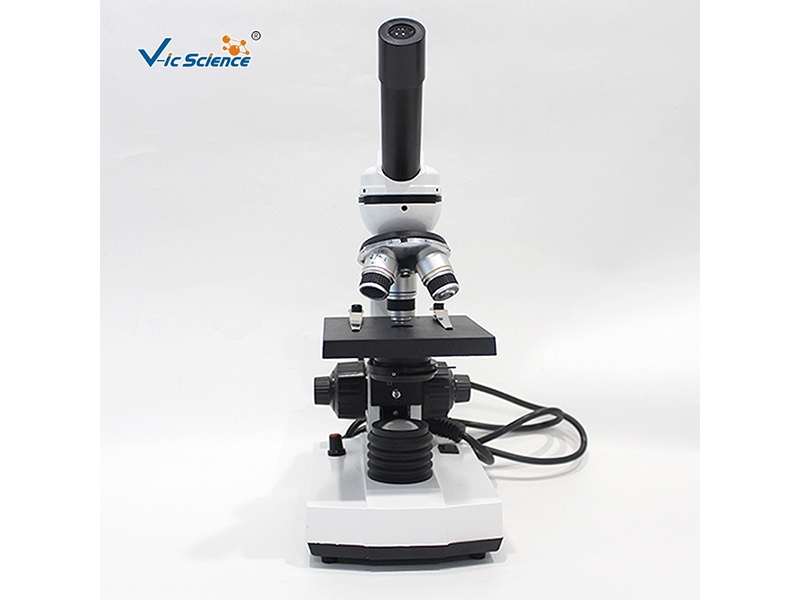
The core differences between biological microscopes and stereomicroscopes lie in their observation objects, imaging effects, core advantages, and usage scenarios. The specific distinctions are as follows, tailored to the characteristics of vic science and education products, making them clear and easy to understand.
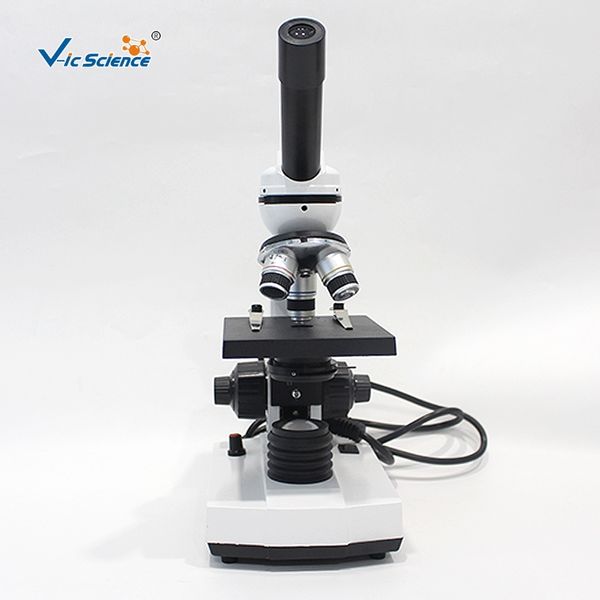
Different observation objects:
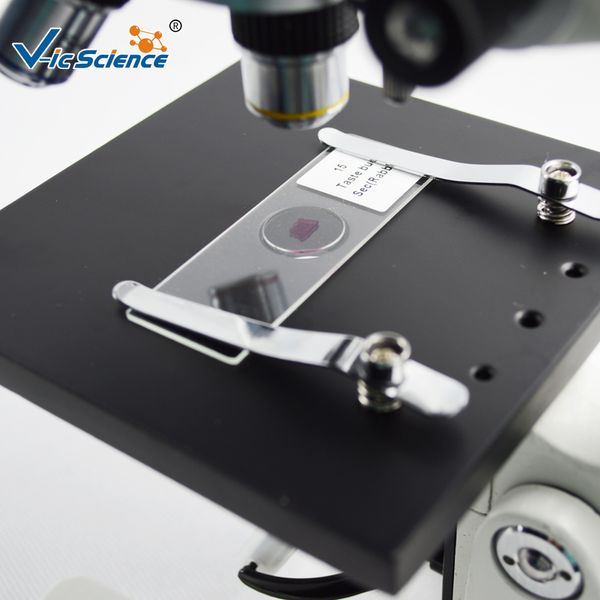
Biological microscope: Primarily used for observing transparent/translucent thin specimens, such as cellular structures, tissue sections, and other microscopic objects that require light transmission for observation.
Stereo microscope: Primarily used for observing three-dimensional, opaque/thick specimens, such as plant specimens, insect morphology, microbial colonies, and other three-dimensional objects that do not require sectioning.
Different imaging effects:
Biological microscope: Equipped with an achromatic objective lens, it boasts high resolution and produces flat, high-definition images, clearly revealing the fine structures of samples, such as cellular patterns and tissue details.
Stereo microscope: It has the advantage of a wide field of view, producing a three-dimensional and intuitive image that can restore the three-dimensional morphology of the sample and highlight the three-dimensional layering of the object.
Different core advantages:
Biological microscope: Its core advantages lie in high-definition resolution, accurate color reproduction, and robust optical performance, meeting the need for precise observation of microscopic details.
Stereo microscope: Its core advantages lie in its wide field of view, long working distance, convenient operation, and the elimination of complex sample processing (such as slicing), making it easy to get started.
Different usage scenarios:
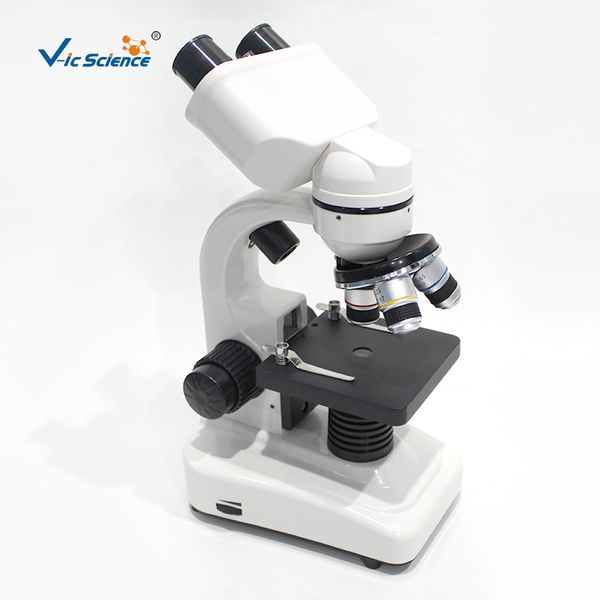
Biological microscope: suitable for cell observation and histology experiments in middle school/high school biology classrooms, as well as microstructure research in professional scientific research.
Stereo microscope: suitable for observing three-dimensional samples and identifying specimens in basic teaching, without requiring complex sample preparation. It is ideal for classroom demonstrations and independent student operations.
TOP